
The Field Observation
This inspection was unique. Unlike our typical overseas client orders, this engagement was for a large-scale domestic B2C platform in China.
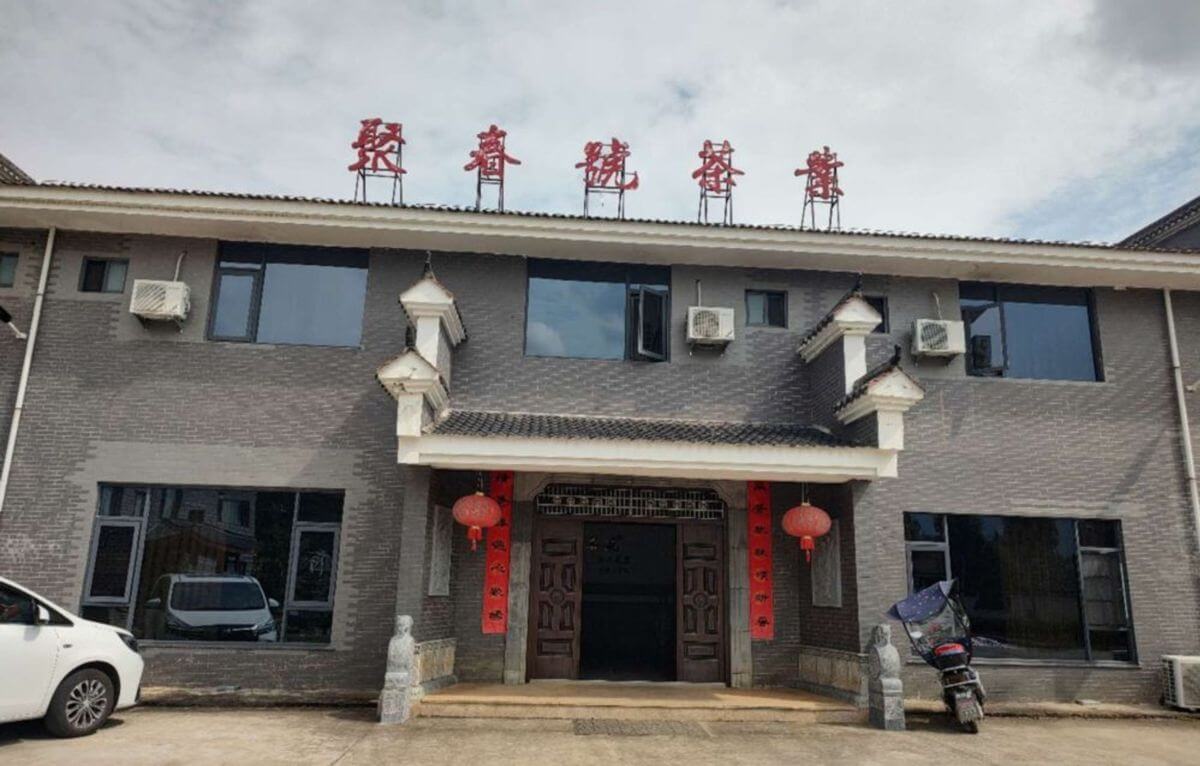
According to our product quality inspector, this tea factory doesn't just process leaves — they own the tea mountains and the tea trees. They control the process from the raw harvest at the bottom layer of the supply chain all the way through to the final packaging.
While tea hasn't traditionally been the primary focus for international clients, the global appreciation for Chinese culture is growing, and tea culture is naturally riding that wave. On a personal note, most of our Technical colleagues are huge tea enthusiasts. So, we've decided to document this factory — a bit out of personal bias, and a bit as a tip for the "destined" clients who might be sourcing authentic Chinese tea from the real deal.
Factory Profile
| Attribute | Details |
|---|---|
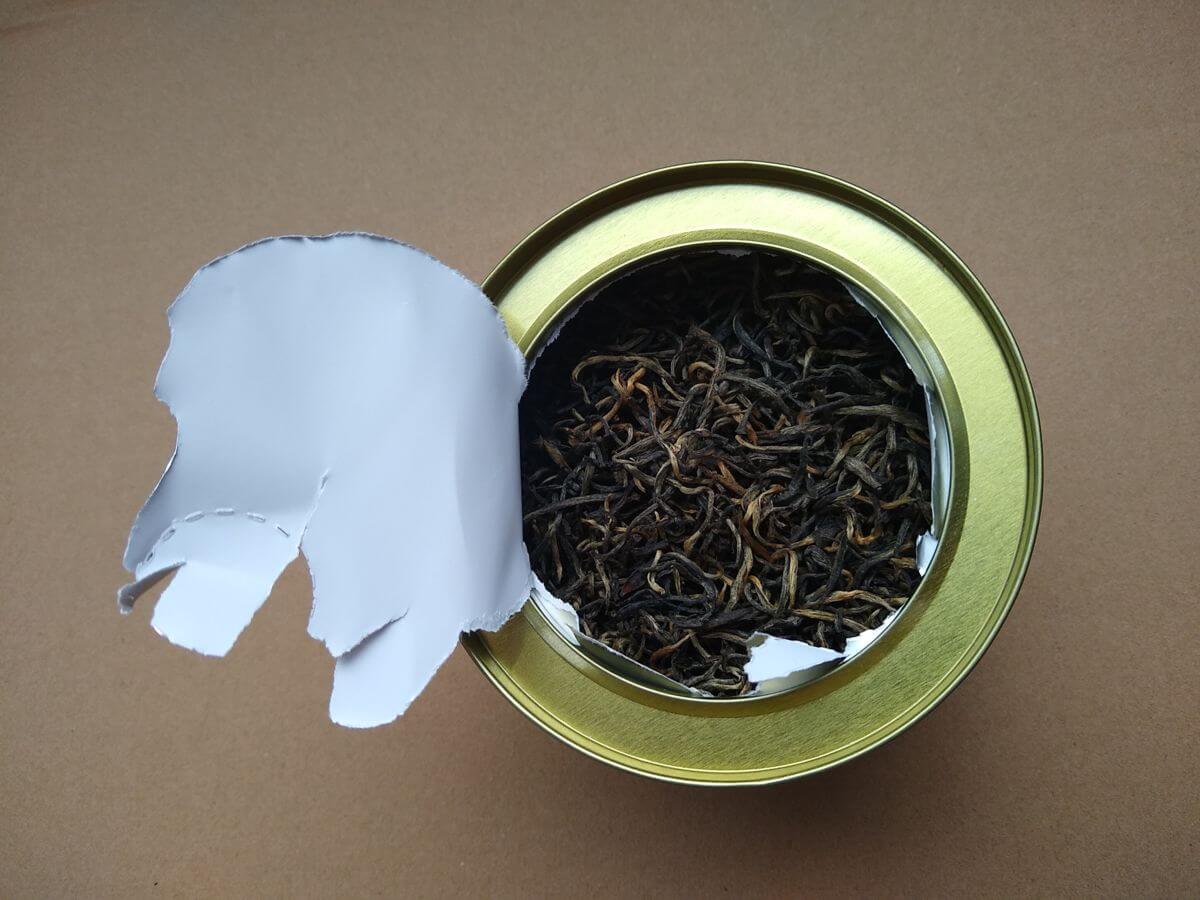
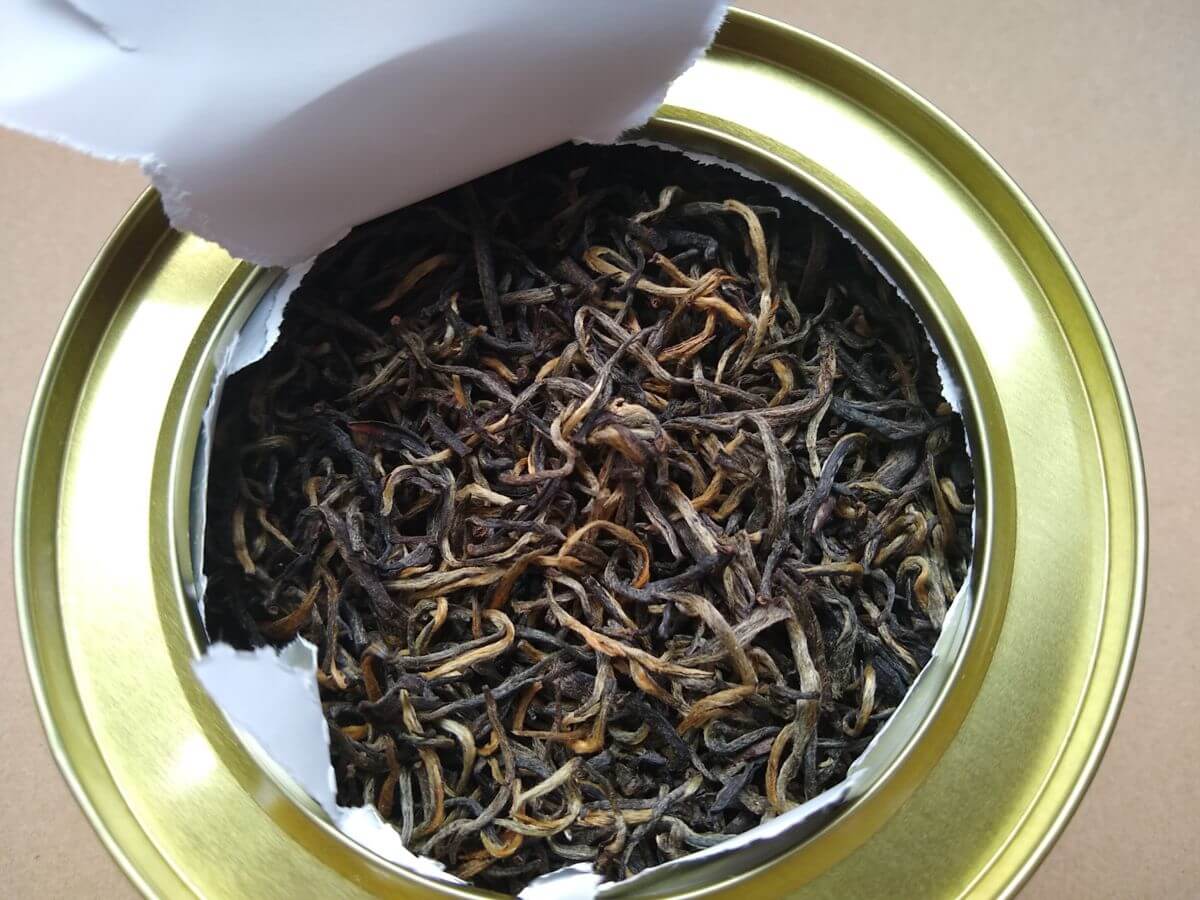
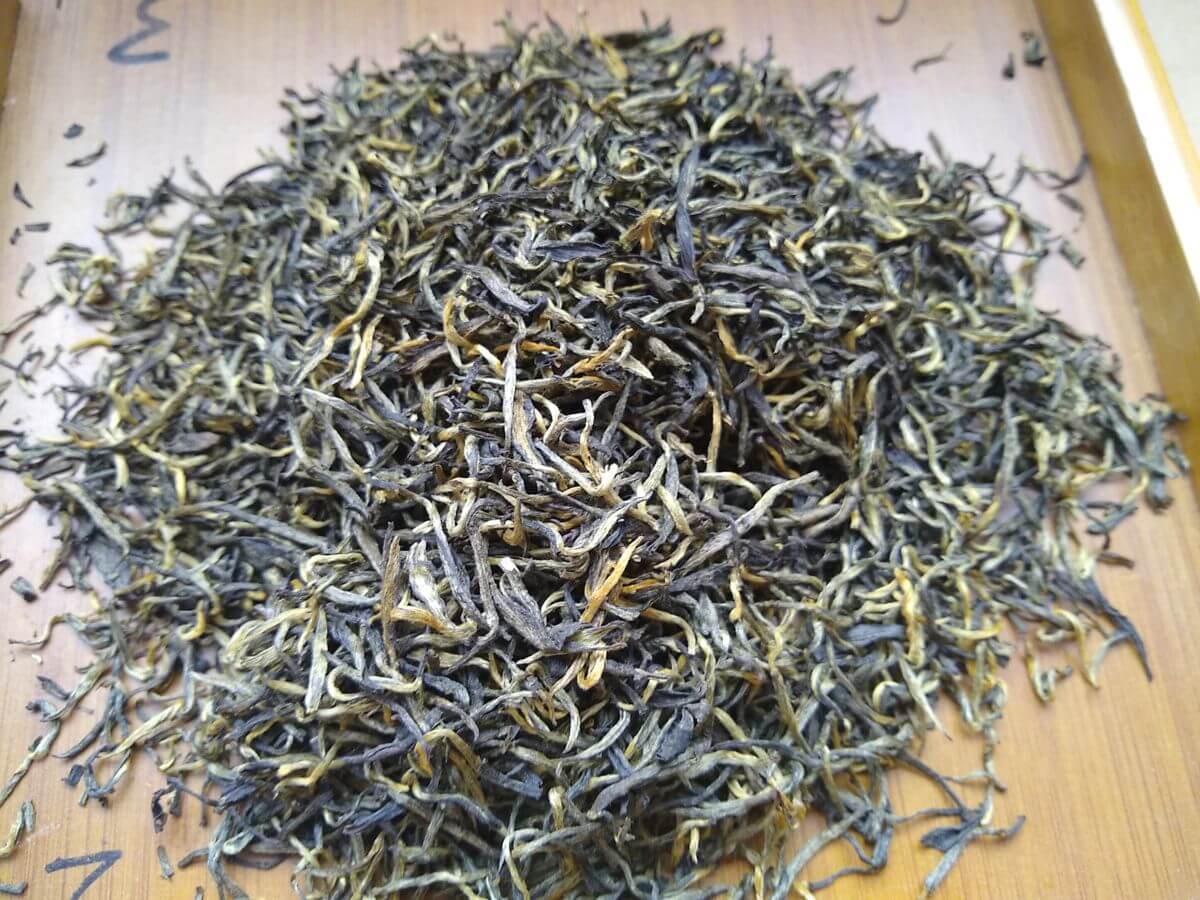
| Main Product | Black tea, Bohea (Wuyi Rock Tea) |
| Factory Size | Middle |
| Factory Name | Wuyishan Chun Ri Qing Shan Tea Co., Ltd. |
| Location | Wuyishan, Nanping City, Fujian Province, China |
| Contact | Mr. Zhou: +86.181.5192.8297 |
| Export Status | No dedicated Foreign Trade Department |
Inspection Photos
The snapshots below are unedited technical records captured by our quality inspectors during the visit:
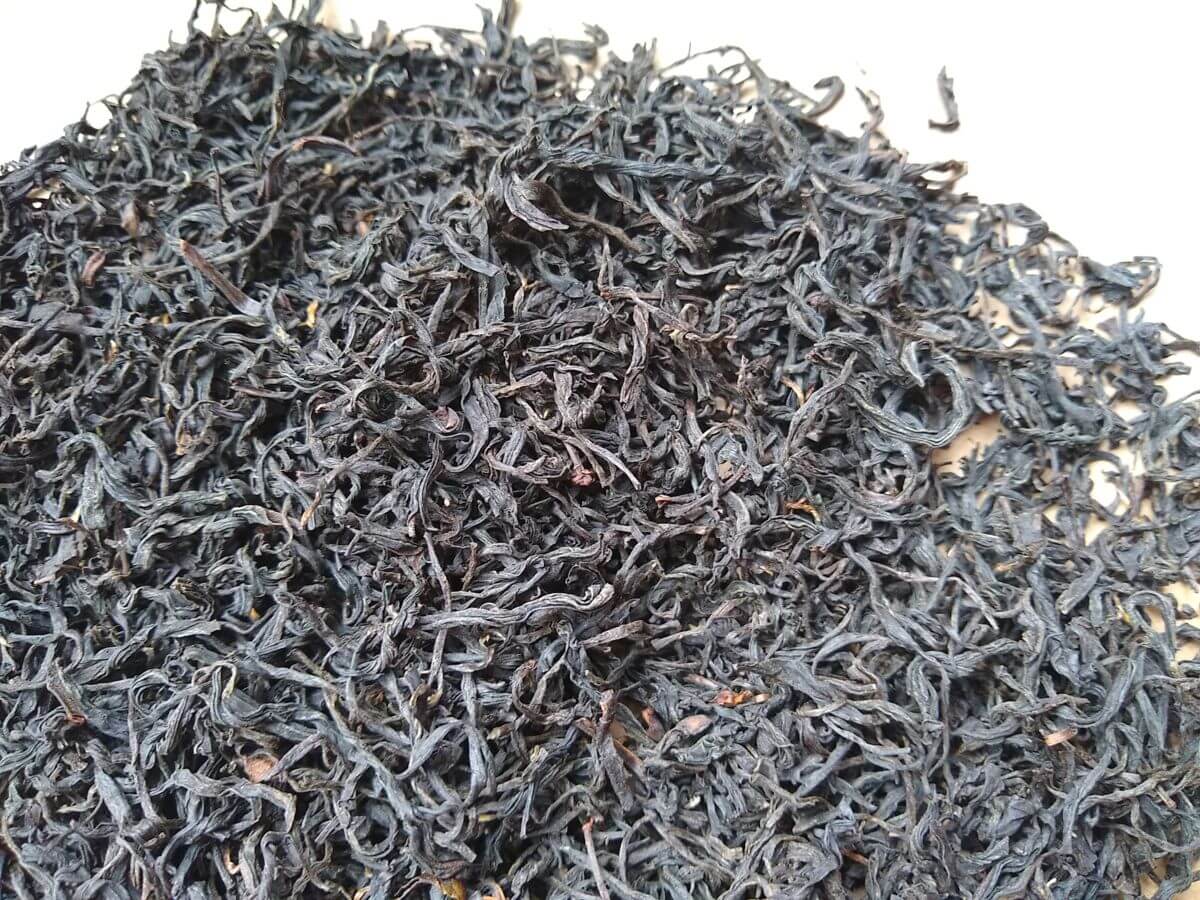
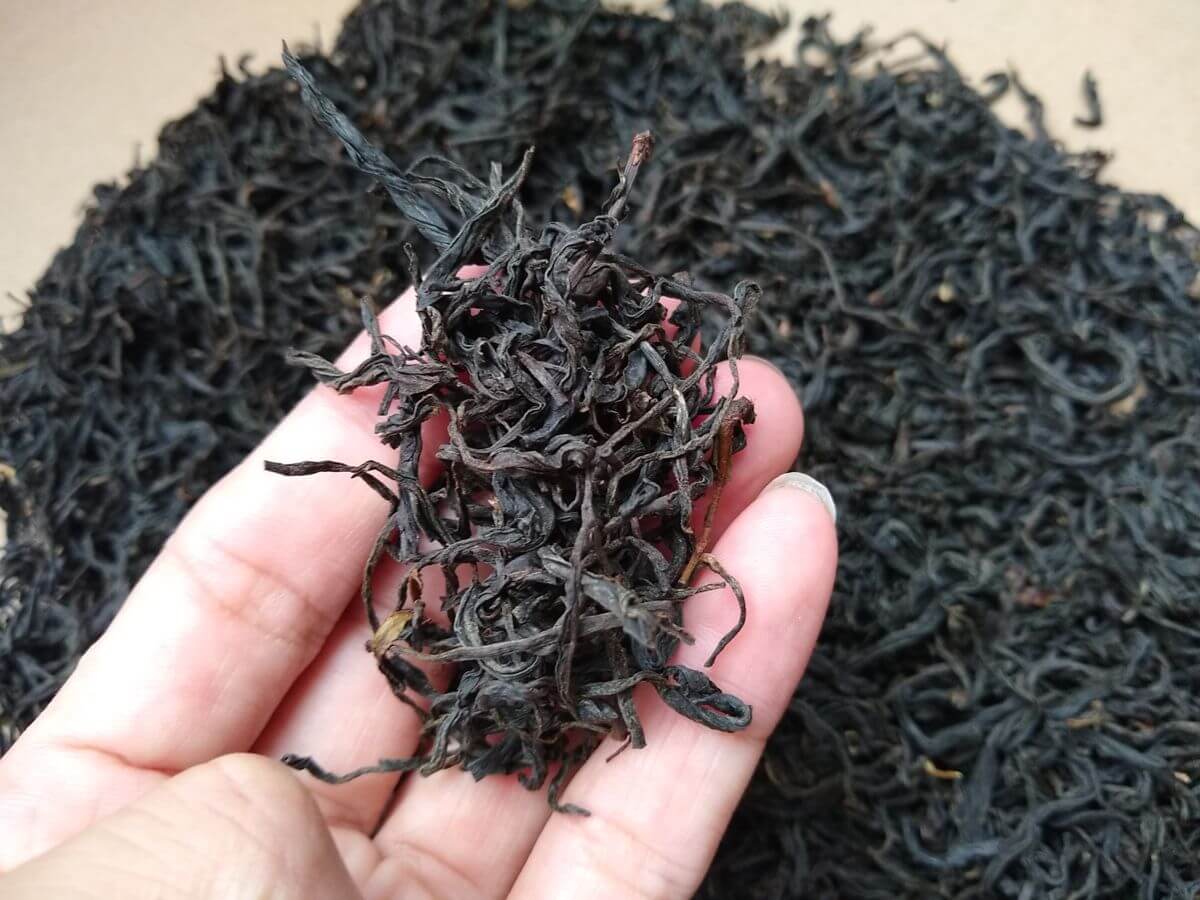
Why This Matters for Buyers
In the tea industry, the biggest risk to quality consistency is sourcing consistency.
When a factory buys leaves from various small farmers — which is common in tea production — they lose control over harvesting standards, pesticide usage, and initial fermentation quality. By owning the tea mountain, this factory ensures a stable baseline for their products. This is exactly why a factory audit matters — it reveals whether you're dealing with a true manufacturer or a middleman aggregator.
Professional Note for International Buyers
This factory does not have a dedicated foreign trade department.
- The Challenge: Communication and export logistics will require a partner (a sourcing agent or logistics company) to bridge the gap.
- The Advantage: You are dealing directly with the source. If you are willing to manage export compliance, you gain access to authentic, farm-direct pricing and quality that most "trading-type" factories cannot match.
The Bottom Line
This record documents a factory visit for a domestic B2C e-commerce order. The observations — particularly regarding the factory's vertically integrated supply chain — are shared above for reference.
Let CNQ Help You Source Chinese Tea Safely
If you're considering sourcing from this factory — or any tea supplier in China — an independent factory audit is your first line of defense. At CNQ, our auditors have over 17 years of hands-on experience in agricultural and food-processing quality control across China. We can help you:
- Verify your supplier's true identity — are they a genuine grower/processor, or just a trading intermediary?
- Confirm whether they truly own tea mountains (plantations) or merely claim so on paper
- Inspect processing facilities and production capacity — can they meet your volume and quality requirements?
For the billions of dollars' worth of tea moving through China every year, a simple, one-day factory audit in China can save you from a costly misjudgment — whether you're based in Manchester, Melbourne, or Montreal.
Considering sourcing from a Chinese tea supplier? Get in touch — we've been helping buyers secure their supply chains for over 17 years.
💡 Disclaimer: This tea factory profile is a historical record of a specific quality control outcome. We maintain no financial alignment, partnerships, or commercial agreements with this supplier. Every production lot varies; buyers should decide whether to perform independent product inspections for their individual orders to verify current specifications.