
On-Site Story: When Great Craftsmanship Meets Weak Packaging
For this Pre-Shipment Inspection (PSI) commissioned by a large European B2C e-commerce importer, our inspector encountered a classic case of overconfidence masking a hidden vulnerability. The product under inspection was a KD (Knocked-Down) metal fence.
As our inspector later recounted, upon arriving at the factory, the reception and production staff greeted him with a rather dismissive and confident attitude.
"This is just an outdoor fence. Super simple — just two posts and two panels, nothing else. I don't even know what there is to inspect here. It's not a delicate decorative piece. A tiny little imperfection on an outdoor item is totally normal anyway."
They continued to boast about their manufacturing credentials:
"Our factory is a major professional player. Whether it's painting or electroplating, we handle it either in-house or through elite partner factories. For something as simple as this — let alone our large-scale engineering projects — everything is built beautifully. Every single production link has a dedicated professional QC checking appearance and details. Once you see the goods, you'll know there's zero chance of any problems."
Our inspector simply smiled, nodded politely, and proceeded with the work. True to their word, when it came to the actual product, the metal finishing and structural details were indeed well-done.
However, the reality check arrived as soon as the inspection entered the testing phase. While the physical product looked great, the packaging completely failed under standard transit simulations.
With the explosive growth of e-commerce, digital retail has made shopping effortless — yet packaging protection is still frequently ignored while everyone focuses solely on the item itself. This case study breaks down why a great product needs proper packaging to survive the e-commerce supply chain.
The Hard Lesson: A perfect product is worthless if it arrives damaged. And the factories that focus all their attention on the product itself often overlook the one thing that protects it — the packaging.
Carton Drop Test Failure: Product Inspection Finding
This defect was found during our pre-shipment inspection services for KD metal fences. It is a typical and recurring packaging issue, so we have documented it here as a reference to help you brief your supplier before mass production.
| Finding Analysis | Details |
|---|---|
| Product | KD Metal Fence (2 posts + 2 panels) |
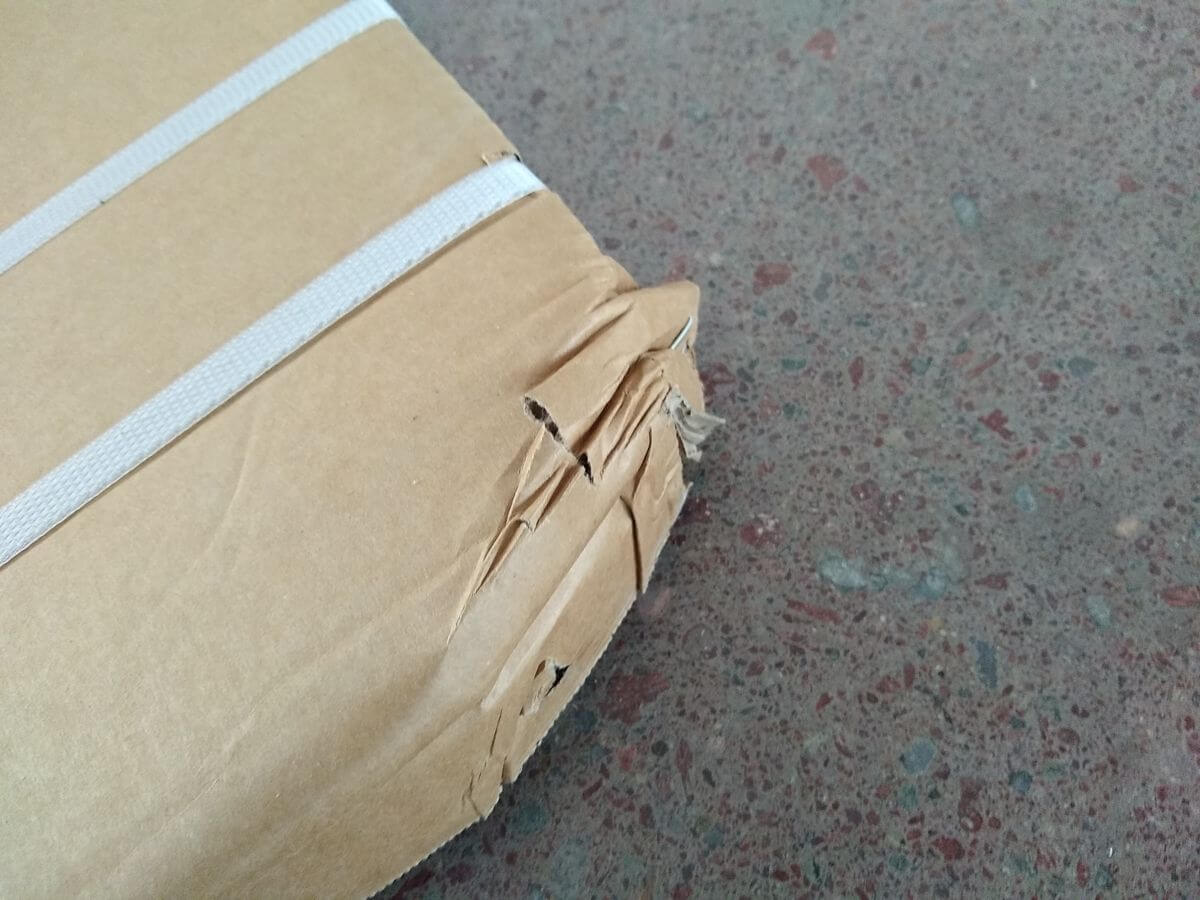
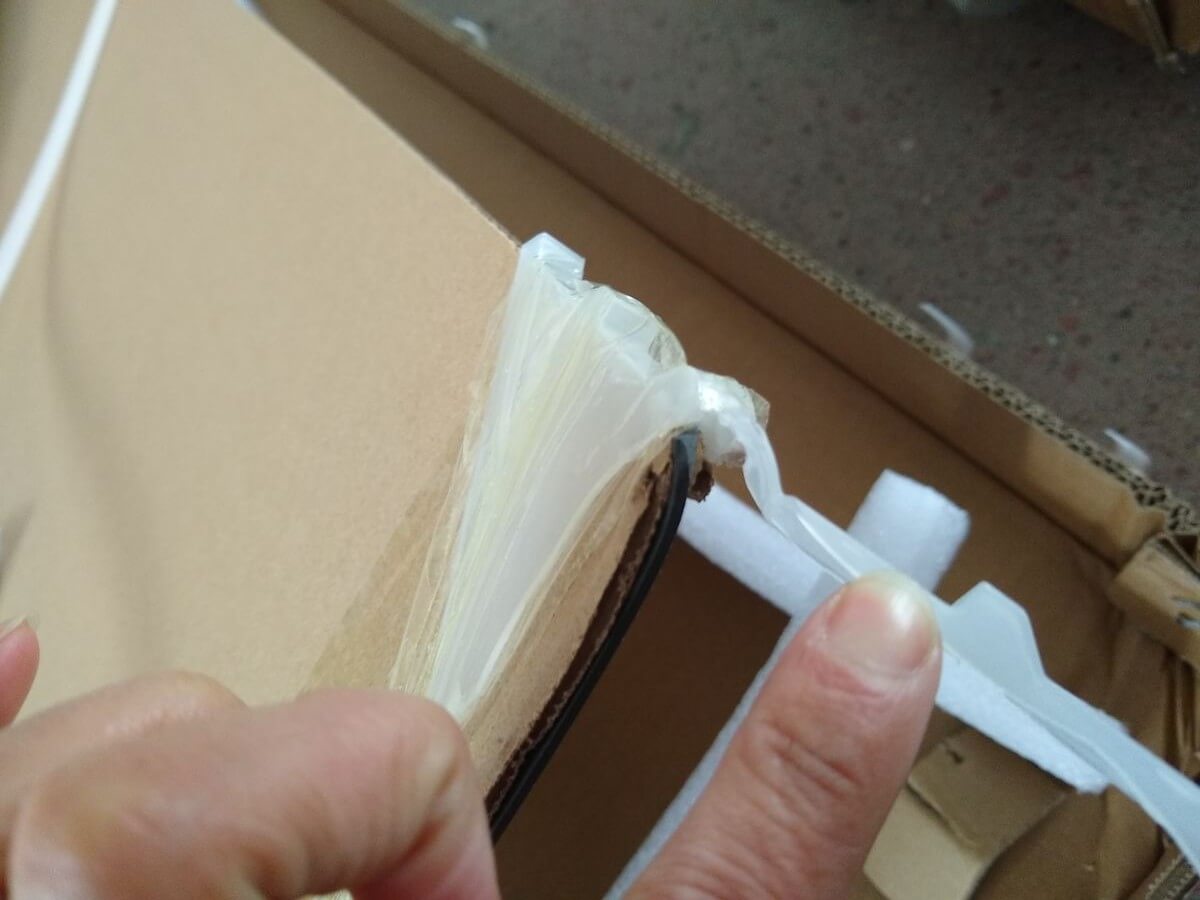
| Defect | Carton drop test failure |
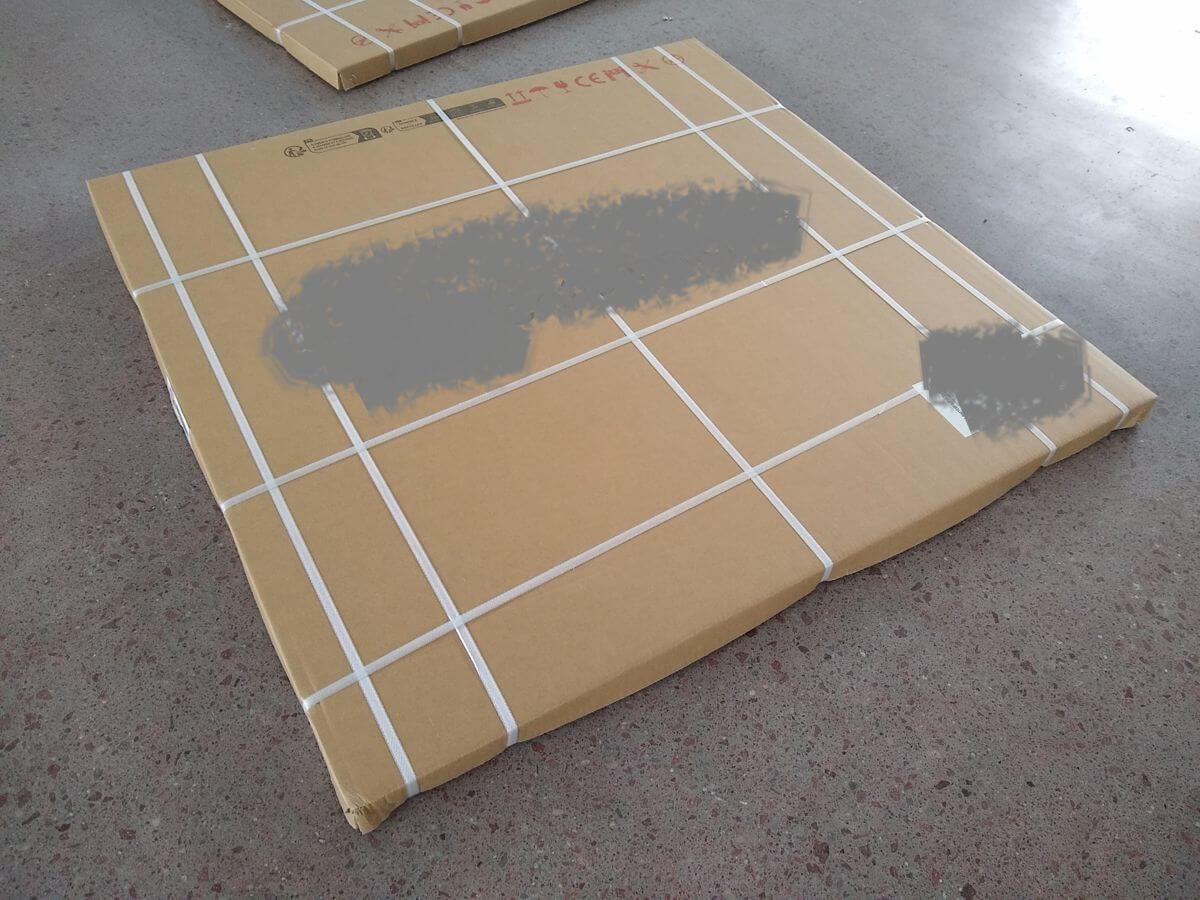
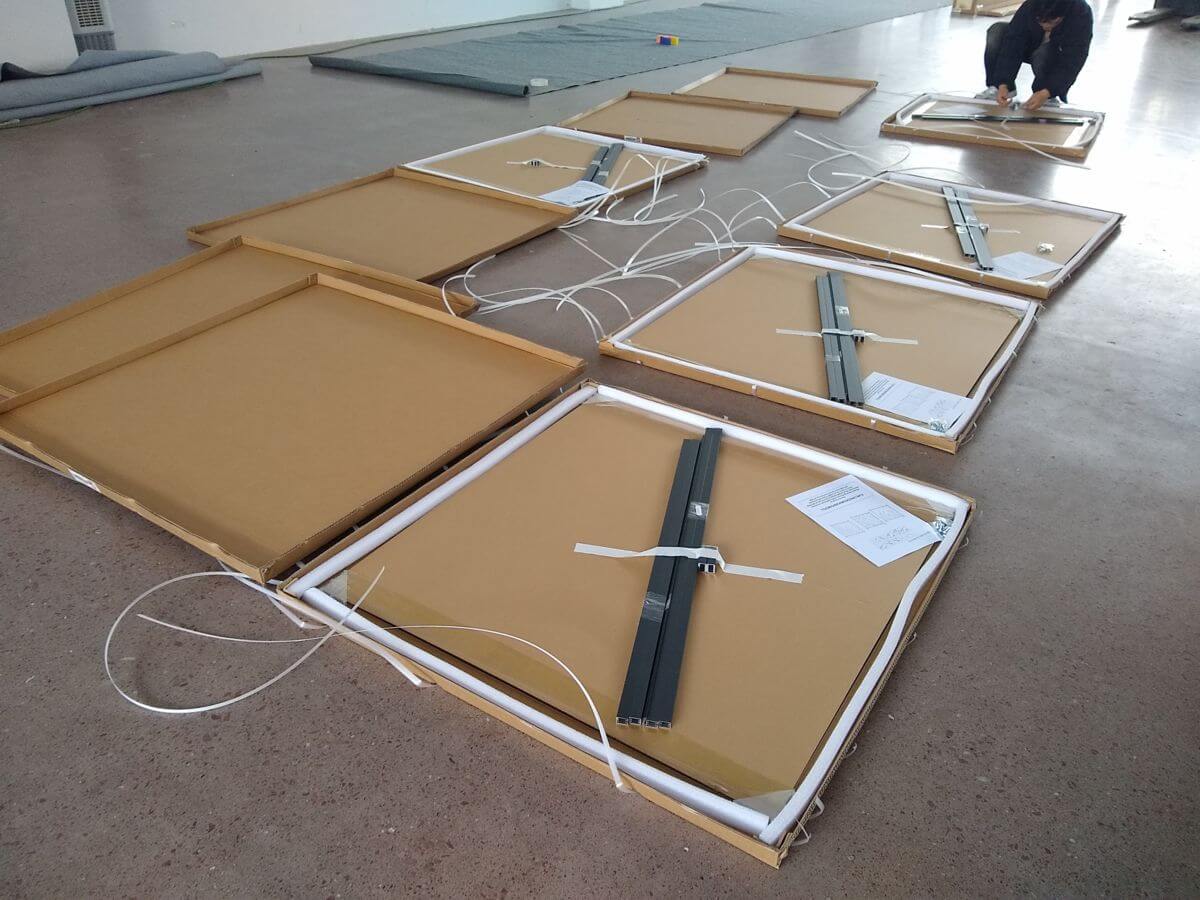
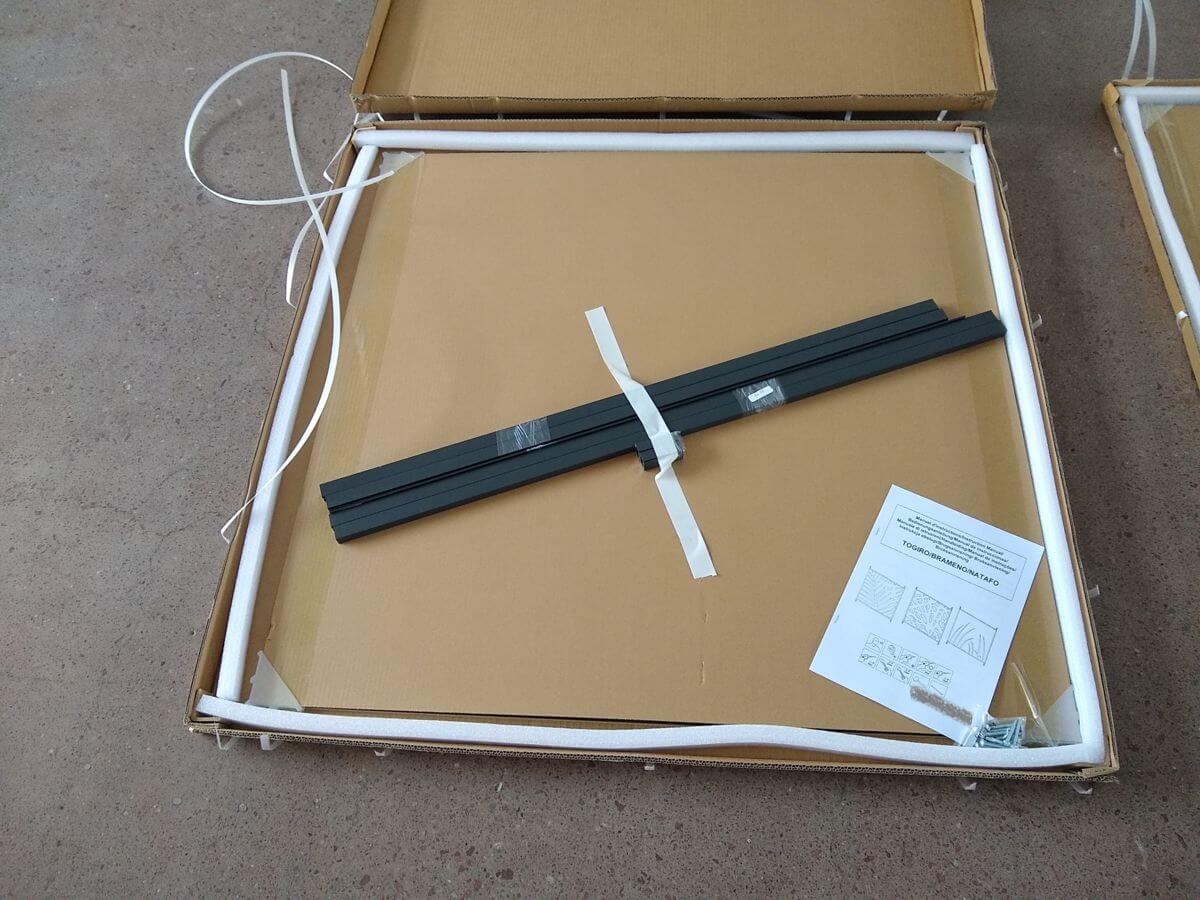
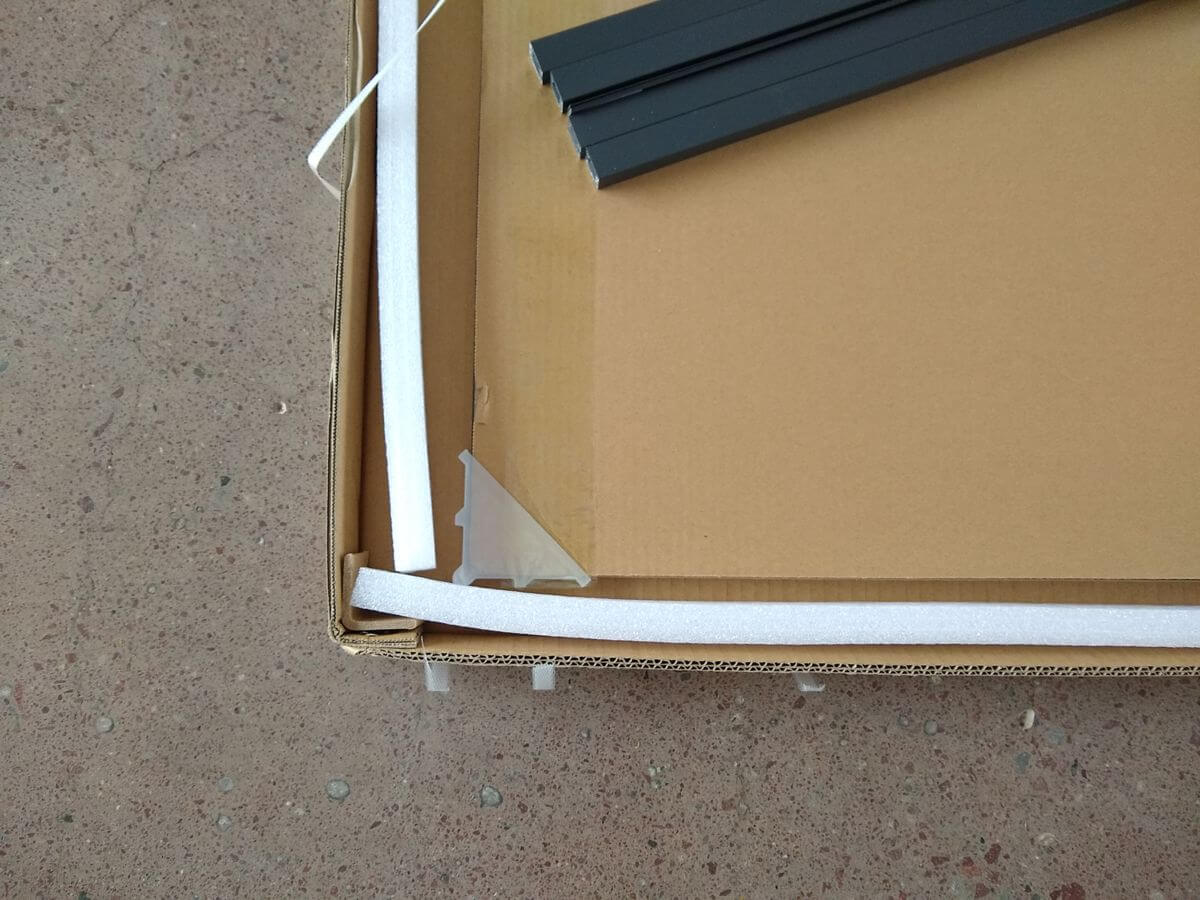
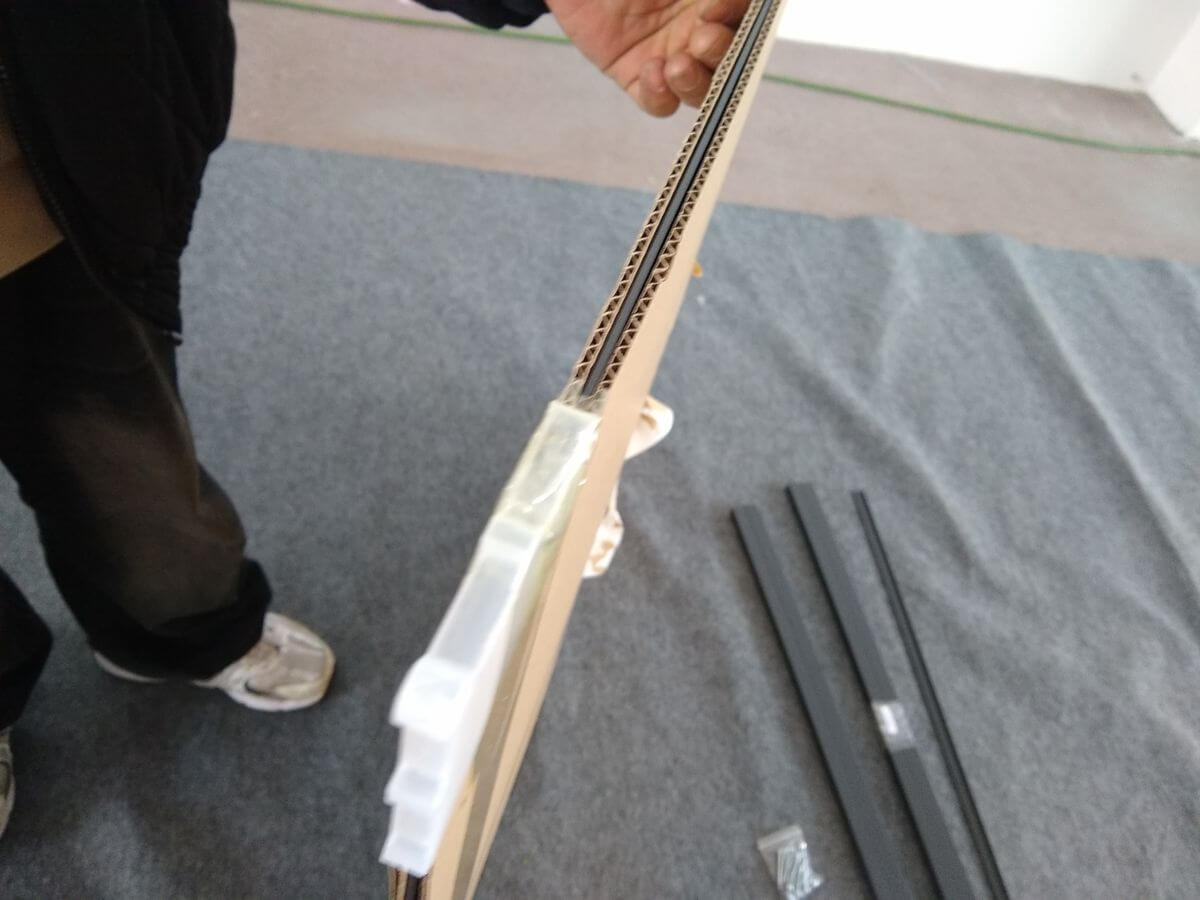
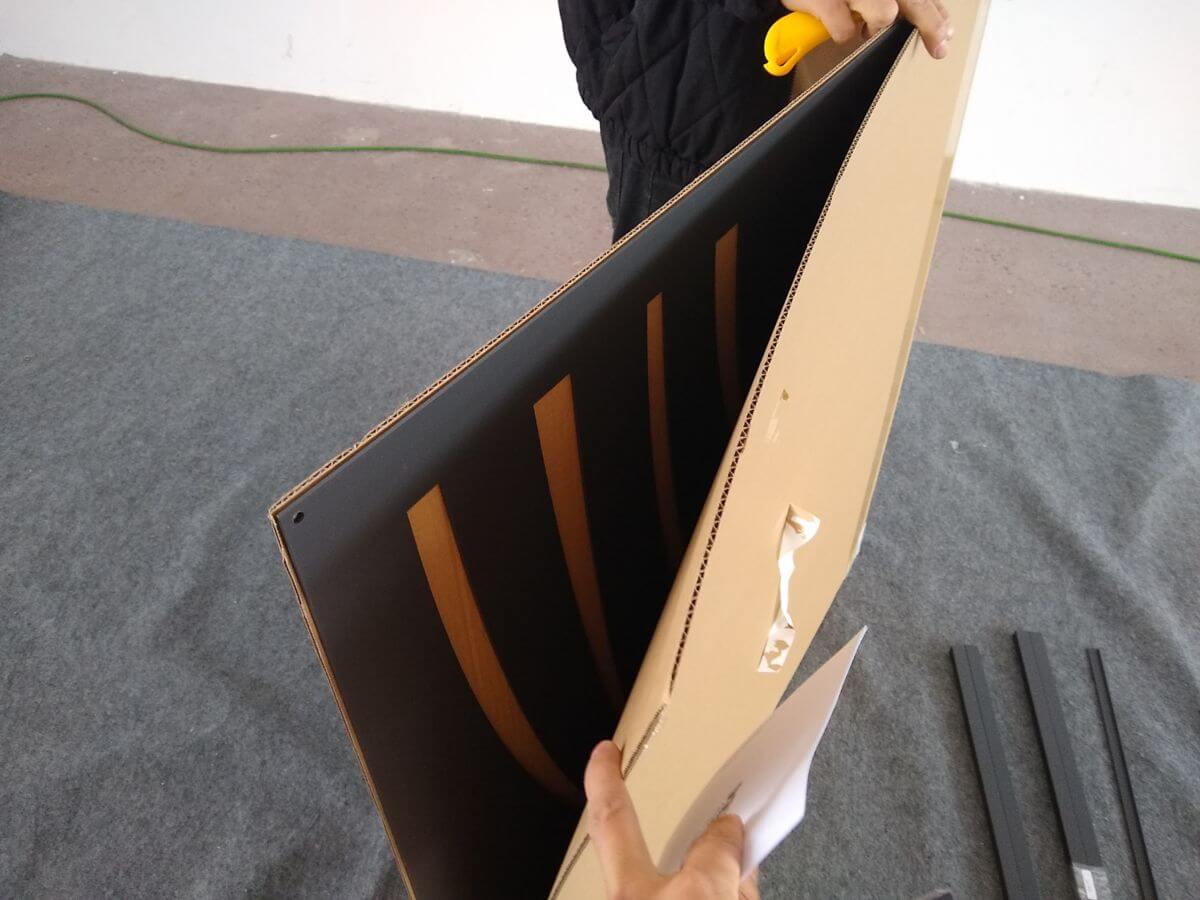
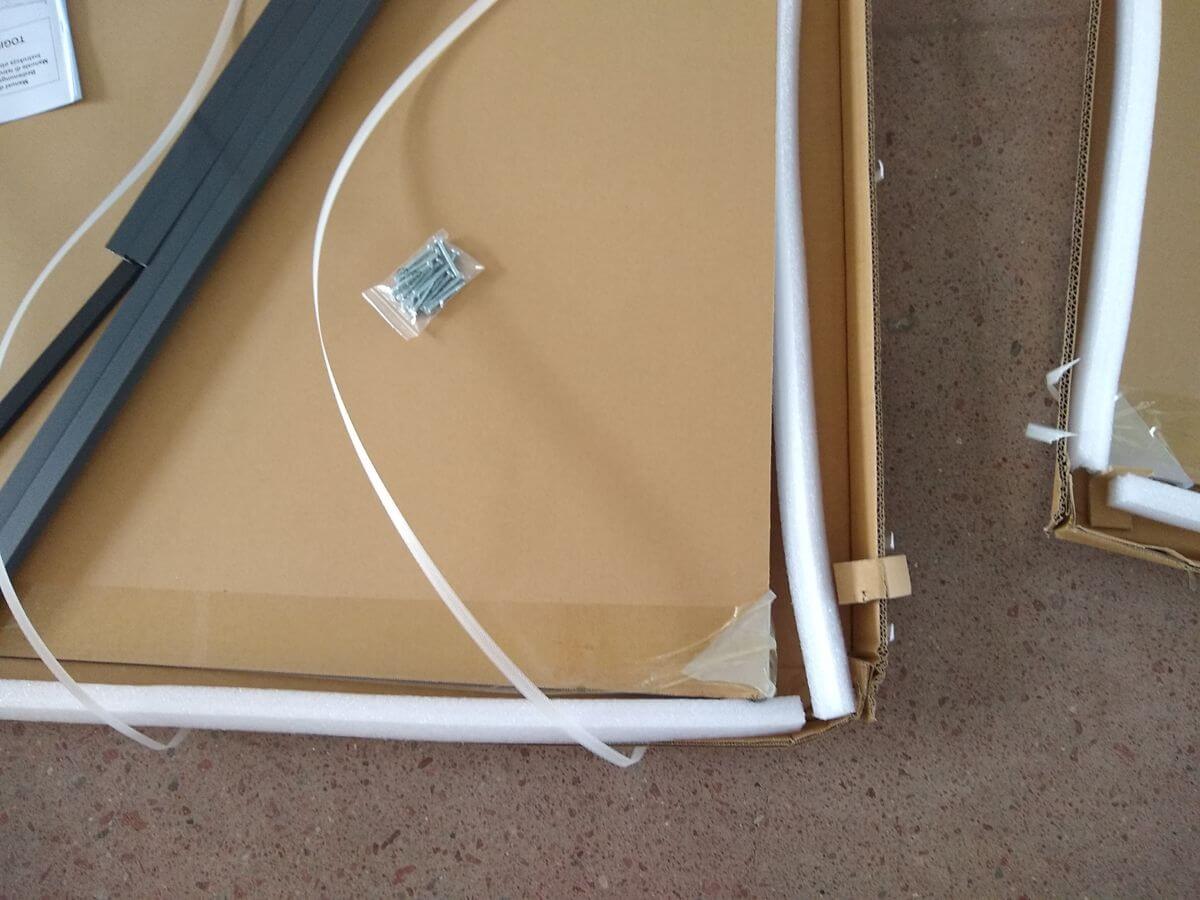
| Root Cause | Excess space within the carton allows the product to slip past its protective buffers and hit the ground directly. |
| Corrective Action | Correct carton size to make sure cushion material envelops the product at all times. |
| Frequency | ⭐⭐⭐☆☆ |
| Rework Difficulty | ⭐⭐☆☆☆ |
| Rework Collateral Risk | ⭐⭐☆☆☆ |
Why Packaging Is Just as Important as the Product
This case is a classic example of a common oversight in manufacturing: all quality attention goes to the product itself, while packaging is treated as an afterthought.
The factory was right — their product quality was excellent. The welding, the finish, the coating — all well-executed. But none of that matters if the product arrives damaged.
Why Did the Drop Test Fail?
The carton was slightly too large for the product. This created excess internal space — not enough to be obvious during normal packing, but enough that when the carton was dropped (simulating transport handling), the product shifted. It slipped past the protective buffers and hit the carton wall directly.
In packaging design, the product must be snug. If there's any movement inside the carton, the protective materials (foam, cardboard inserts, air cushions) cannot absorb the impact effectively. The product takes the hit — literally.
For KD metal fences, which have solid steel components, the risk isn't just cosmetic damage — it's structural deformation. A bent post or panel defeats the entire purpose of the product.
How to Prevent This in Your Orders
| Measure | Description | Effectiveness |
|---|---|---|
| Carton Sizing Verification | Confirm internal carton dimensions match the product size before production. The product should fit snugly with no room to shift. | ⭐⭐⭐⭐⭐ |
| Cushioning Layout Review | Request a photo or diagram of the cushioning layout before production starts. If the product can move, it's wrong. | ⭐⭐⭐⭐⭐ |
| Pre-Production Drop Test | Test one packaged unit before mass production — not after. A single test during sampling phase saves an entire batch. | ⭐⭐⭐⭐⭐ |
| Transport Simulation | Ask your supplier what drop height and test methods they use. Standard ISTA or ASTM drop test protocols are recommended. | ⭐⭐⭐⭐ |
| Packaging Photo Confirmation | During inspection, request photos of each packed carton before sealing to verify cushioning placement. | ⭐⭐⭐⭐ |
On-Site Evidence Gallery
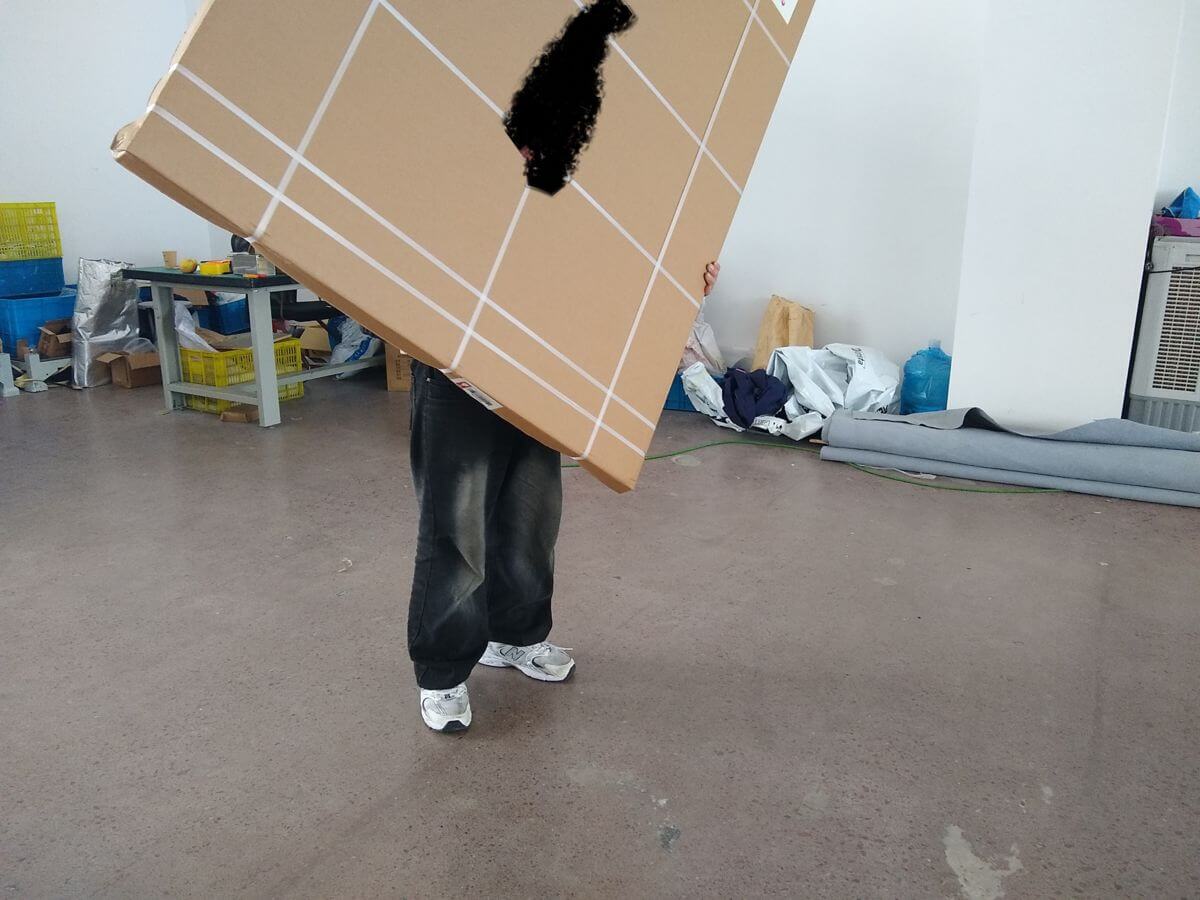
The unedited technical snapshots below document the carton drop test failure:
💡 QC Insight for Buyers
For procurement professionals and brand owners sourcing products that require shipping:
- Packaging is not an afterthought. It's the first line of defense. A perfect product that arrives damaged is a failed product.
- Test the packaging before production starts. A pre-production drop test takes minutes and costs almost nothing. Catching a packaging issue in sampling saves an entire batch.
- "Excess space" is the enemy. If the product can move inside the carton, the cushioning can't do its job. Request internal carton dimensions and cushioning layout before production.
- E-commerce is brutal on packaging. With e-commerce volumes exploding, shipping conditions are more demanding than ever. Your packaging must survive multiple handling points, conveyor belts, and drops.
- Don't let product quality blind you to packaging quality. The factory in this case was right — their product was excellent. But they ignored the packaging, and the drop test failed. Product and packaging go together.
The Bottom Line
This case study is part of our ongoing effort to share real, on-the-ground findings with buyers, brand owners, and sourcing professionals. The goal is simple: help you understand what can go wrong in production — and how to prevent it before it costs you time, money, and reputation.
Key takeaway: With e-commerce booming, packaging is more critical than ever. A well-made product that arrives damaged is still a failure. Don't let your supplier focus all their attention on the product while ignoring the packaging.
Let CNQ Help You Prevent These Issues
At CNQ, our QC inspectors have over 17 years of hands-on experience in product inspection and packaging verification across China. Before your shipment leaves the factory, our inspectors will:
- Conduct drop tests on packaged samples to simulate transport conditions
- Verify carton dimensions and cushioning layout against your specifications
- Check for excess space and other packaging vulnerabilities
- Provide clear pass/fail judgments with photo documentation
Don't let packaging failures damage your product — and your brand. A simple, one-day inspection can save you from costly returns and customer complaints.
Contact us today to ensure your products meet your quality standards before shipment.
Disclaimer: This case study is based on an actual pre-shipment inspection performed by China Quality Service. Product details and factory information have been anonymized to protect client confidentiality. The technical analysis and recommendations provided are for educational purposes only and should not replace professional on-site evaluation tailored to your specific product and packaging requirements.