
On-Site Story: When 3D Printing Hype Collides with Post-Processing Reality
For this final Pre-Shipment Inspection (PSI) commissioned by a US retail brand importer, our client made their stance crystal clear: they are a brand-focused buyer with exceptionally high quality standards. They explicitly requested that every single finding be meticulously reported so their internal team could make the final call on shipment acceptance. To match this level of scrutiny, CNQ specially assigned an inspector with extensive experience in toy and specialty manufacturing.
Upon arrival at the facility, our inspector immediately sat down with the factory reception and production team to review the client's strict requirements. The factory representative acknowledged them, but with a noticeable touch of arrogance and dismissal:
"The client is just worrying too much. They probably want to show off how high-end they are. We are a major factory! With 3D printing, once the initial parameters are locked in, the machines run fully automated without needing worker intervention. It's impossible to have issues. The items come out looking absolutely gorgeous."
Reassured that the facility at least understood the stakes, our inspector began the random sampling — only to uncover a critical finishing defect right away.
Faced with the evidence, the factory representative's face turned red. After a long, awkward pause, they finally stammered out an excuse:
"Well... this kind of issue happens with all 3D printing; it's practically unavoidable. The workers must not have paid enough attention during demolding... it was just a lapse in oversight."
The Hard Lesson: This case study breaks down why automated printing still relies heavily on meticulous manual post-processing, and how overlooking this step can jeopardize a high-end brand's reputation. When a factory calls support residue "unavoidable," they're actually revealing that they've lost control of their own process.
Product Inspection Finding: Sharp Burrs
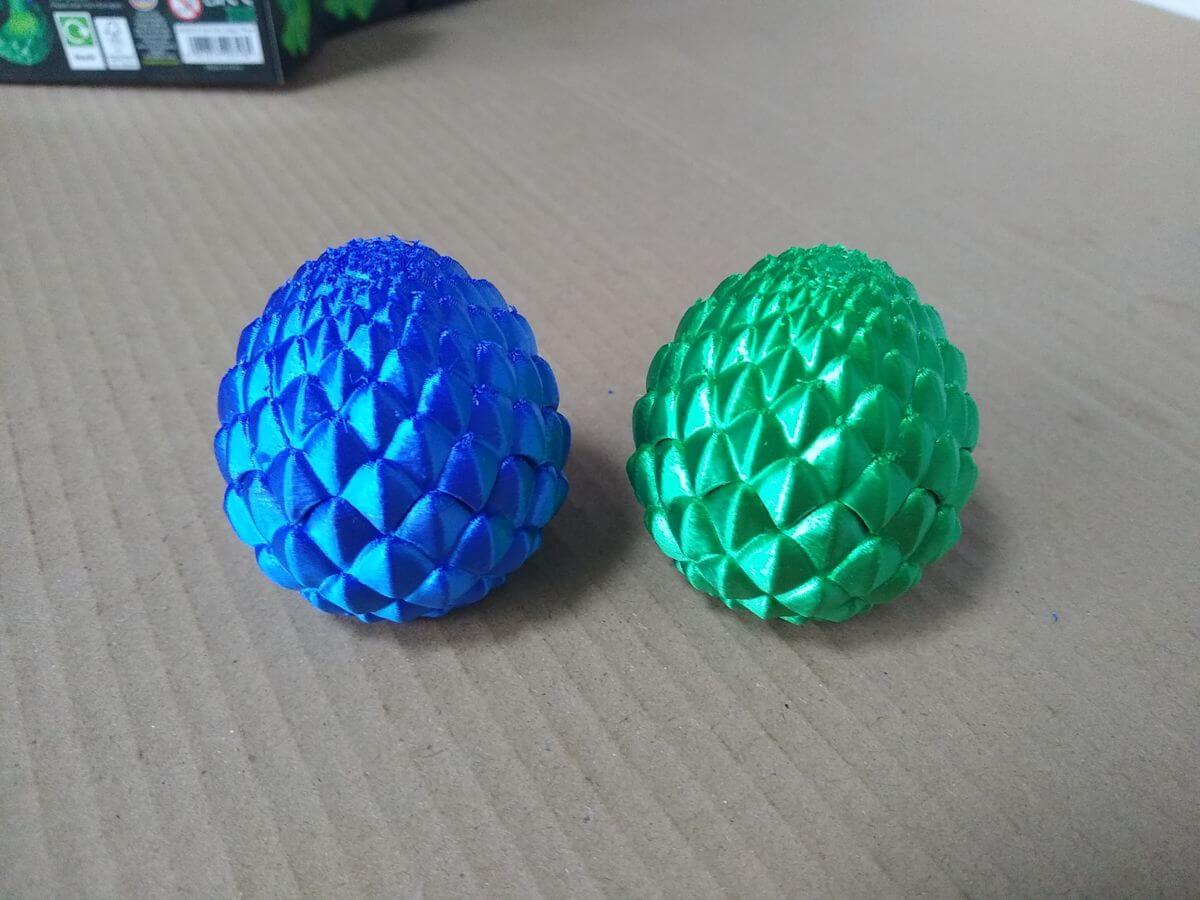
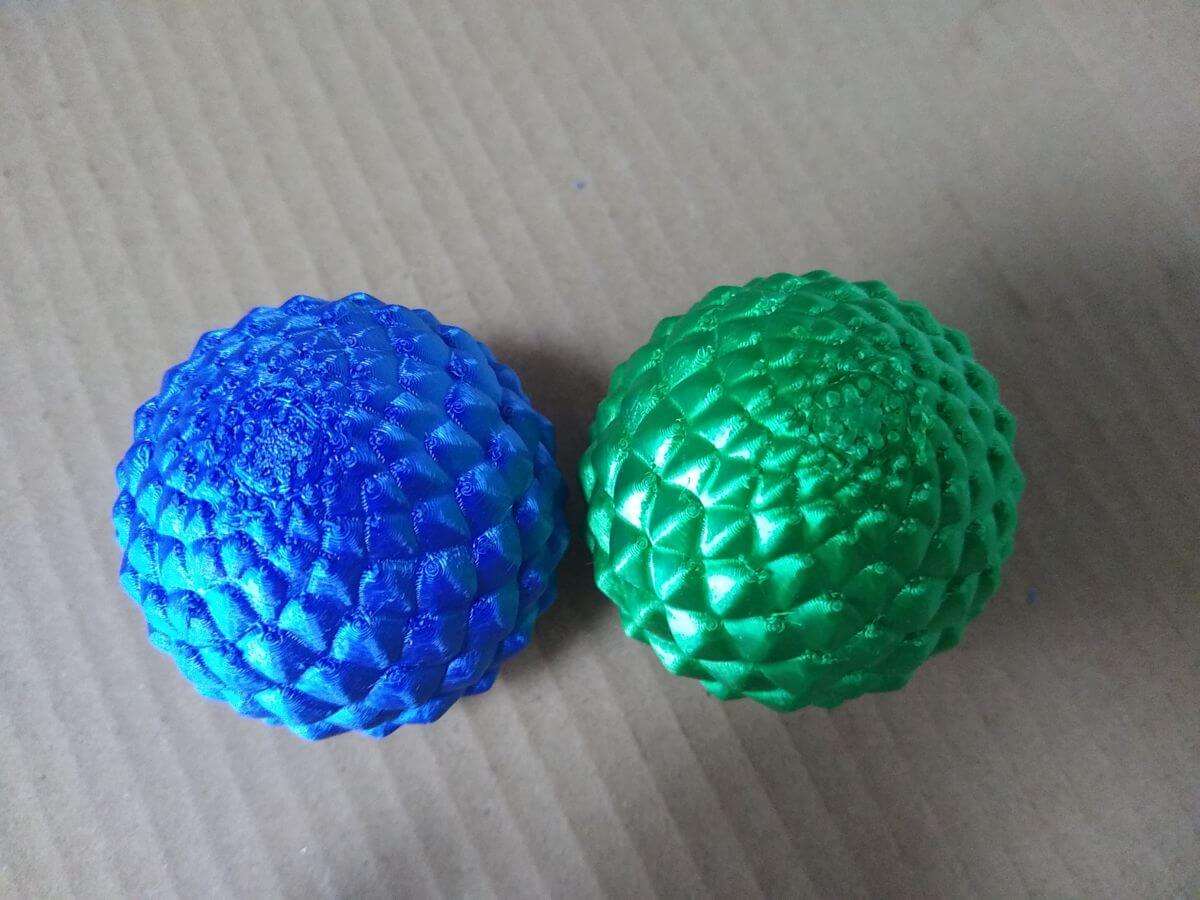
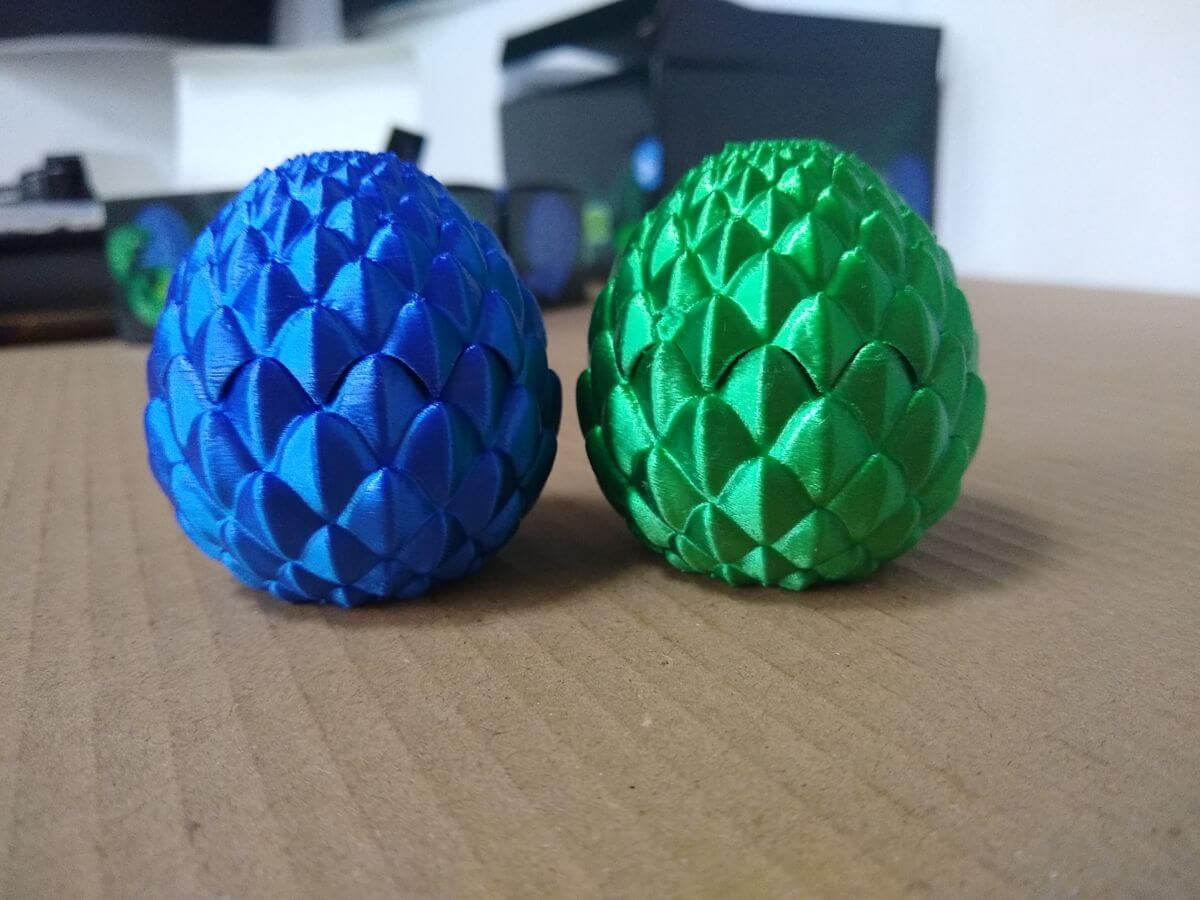
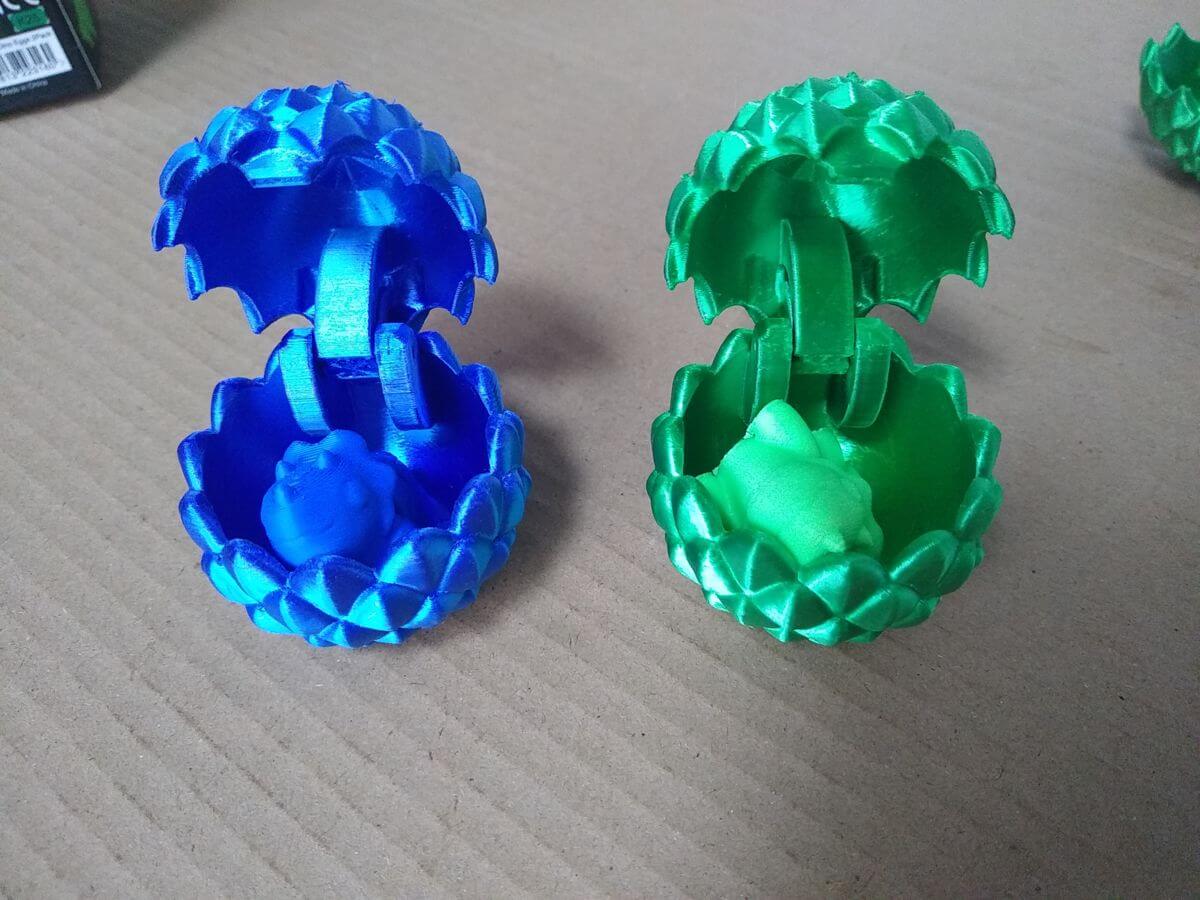
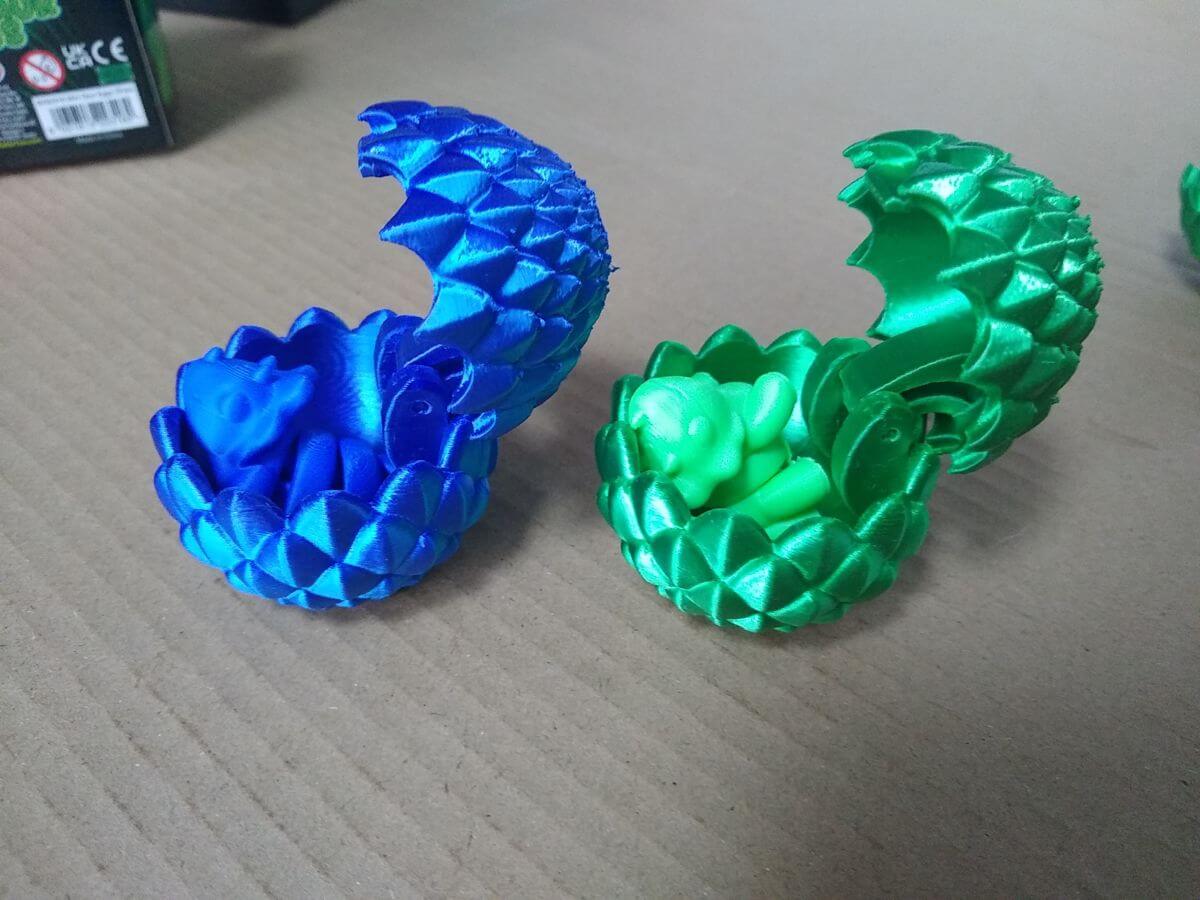
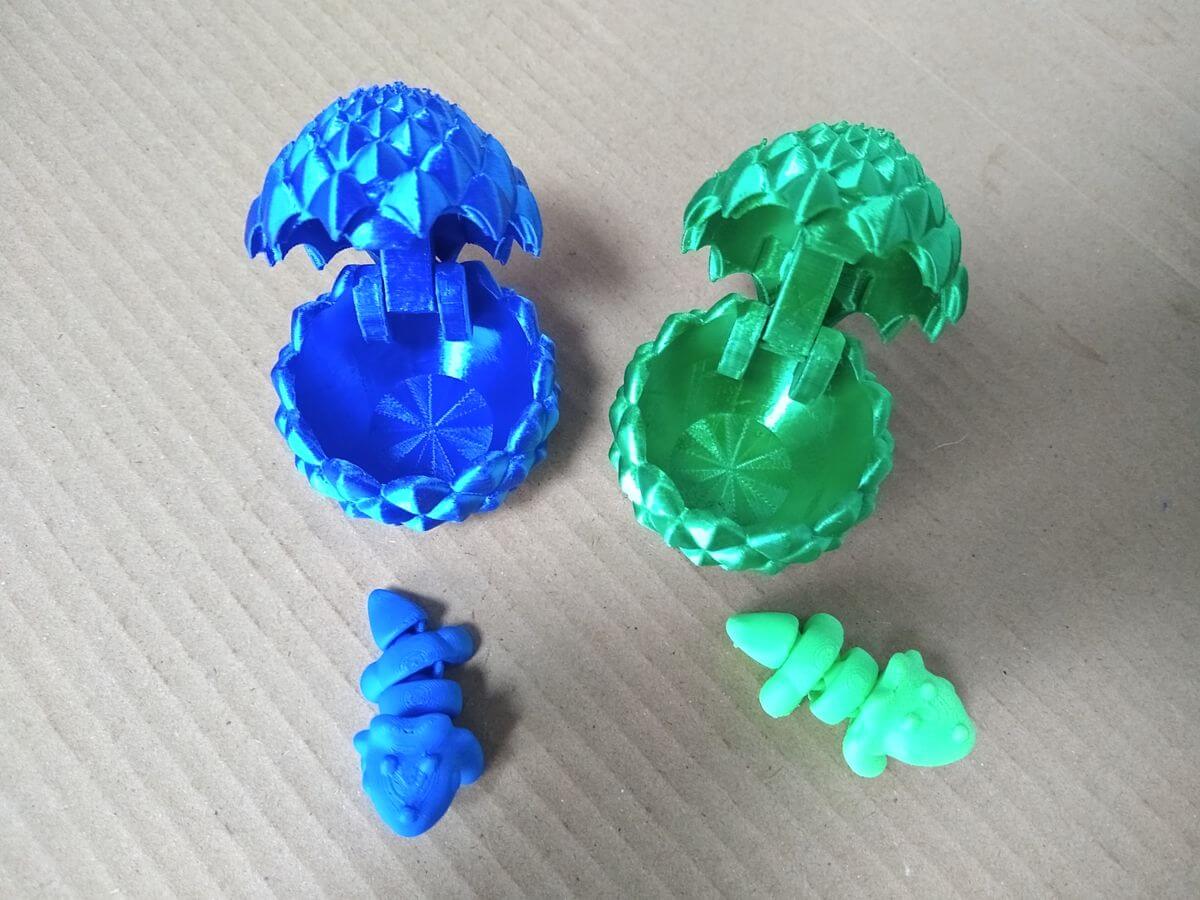
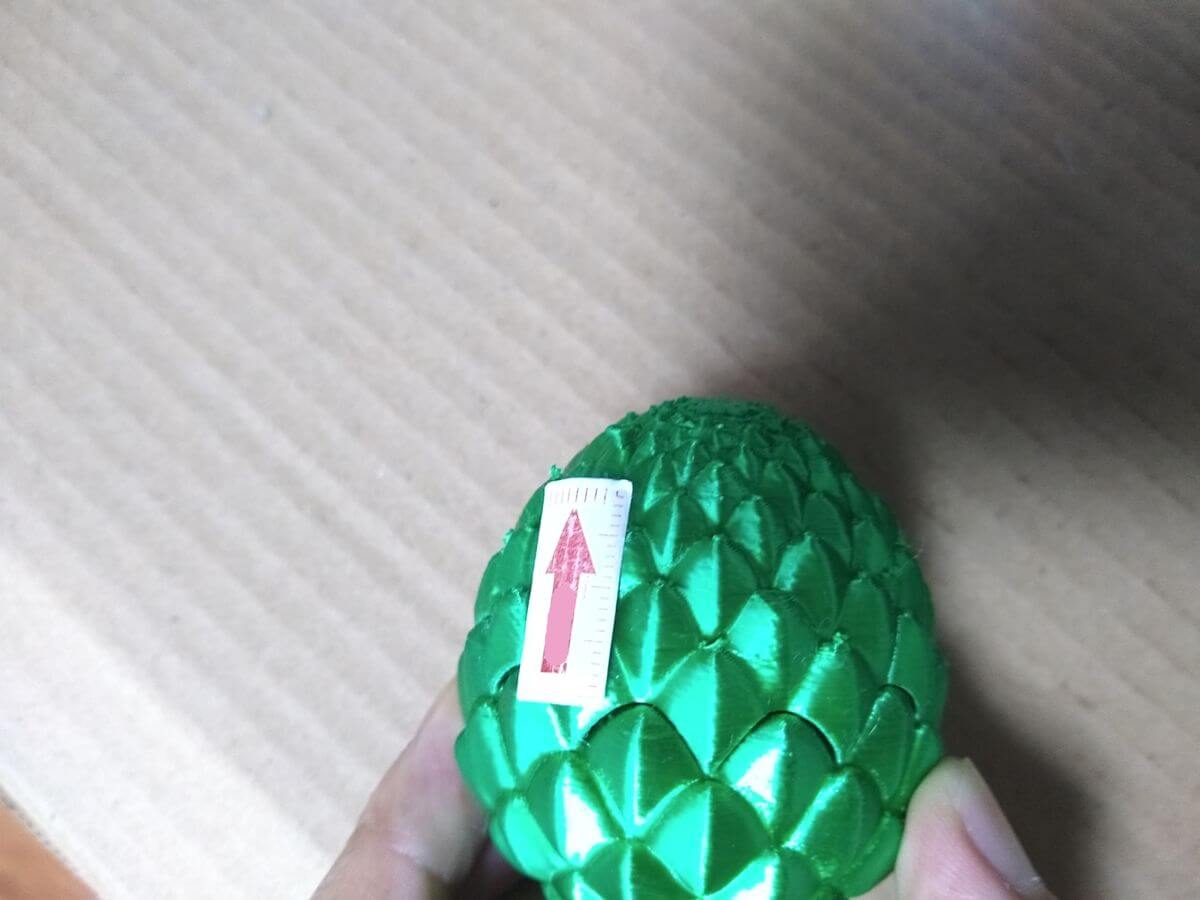
This defect was found during our pre-shipment inspection services for a 3D printed dragon egg. It is a typical and recurring post-processing issue, so we have documented it here as a reference to help you brief your supplier before mass production.
During our inspection, we encountered this critical finishing defect. We are sharing this analysis to provide you with a clearer understanding of the root cause and the required corrective actions to secure your product quality standard.
| Finding Analysis | Details |
|---|---|
| Product | 3D printing dragon egg |
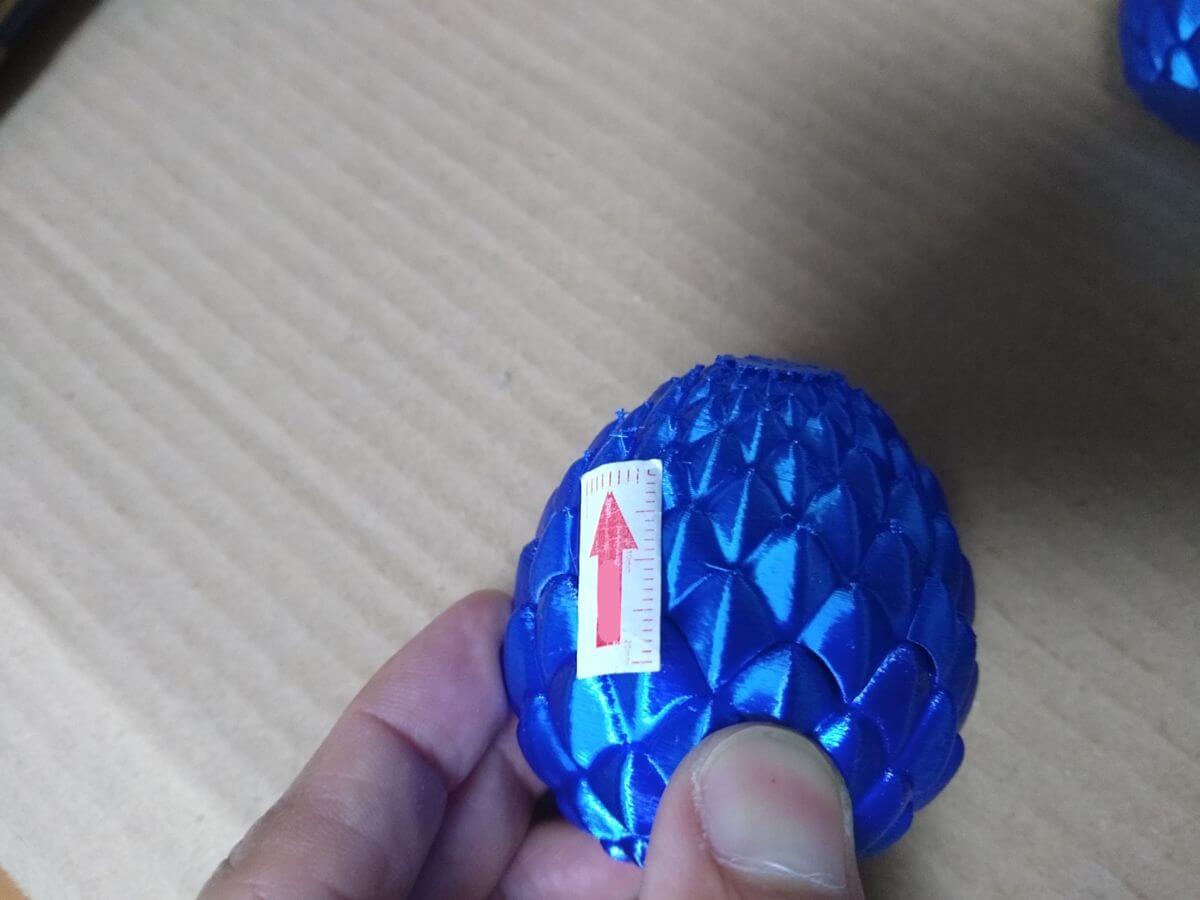
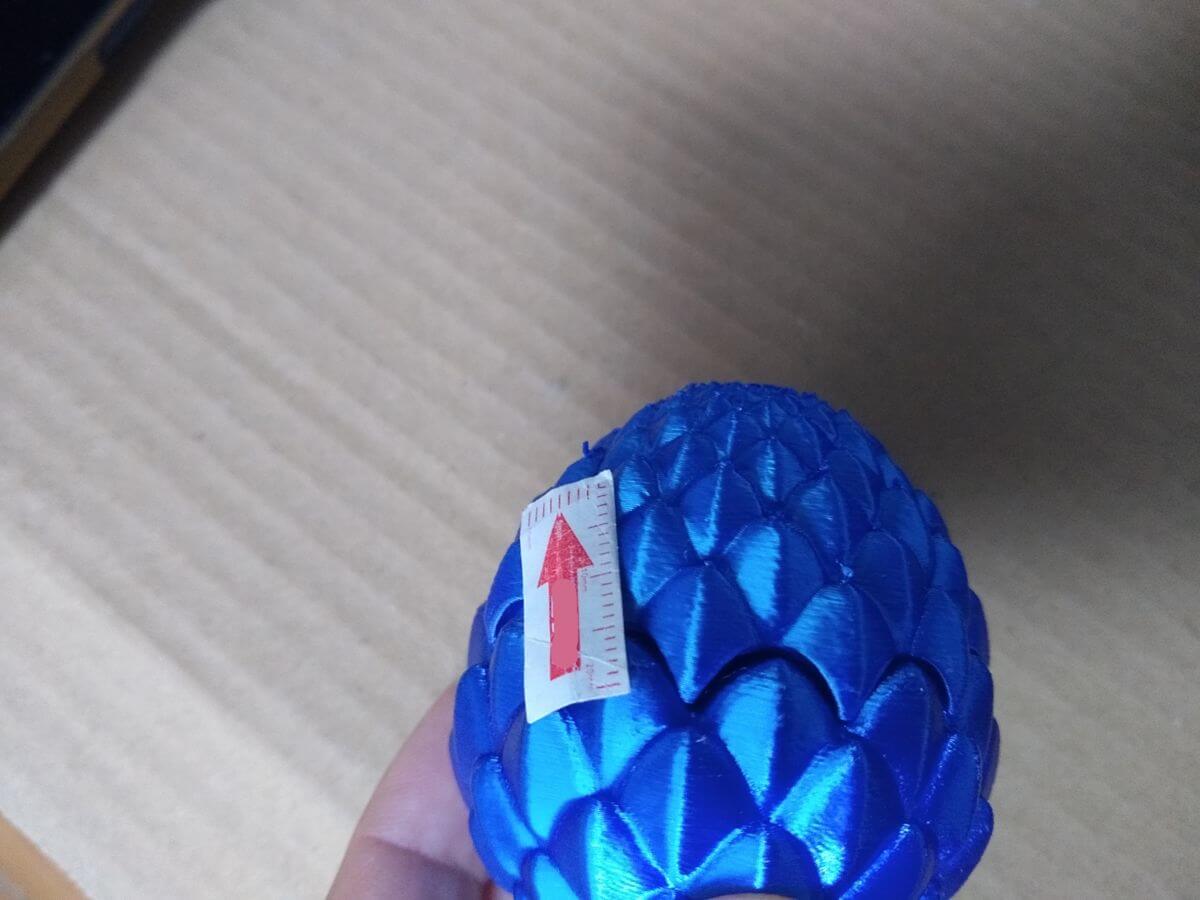
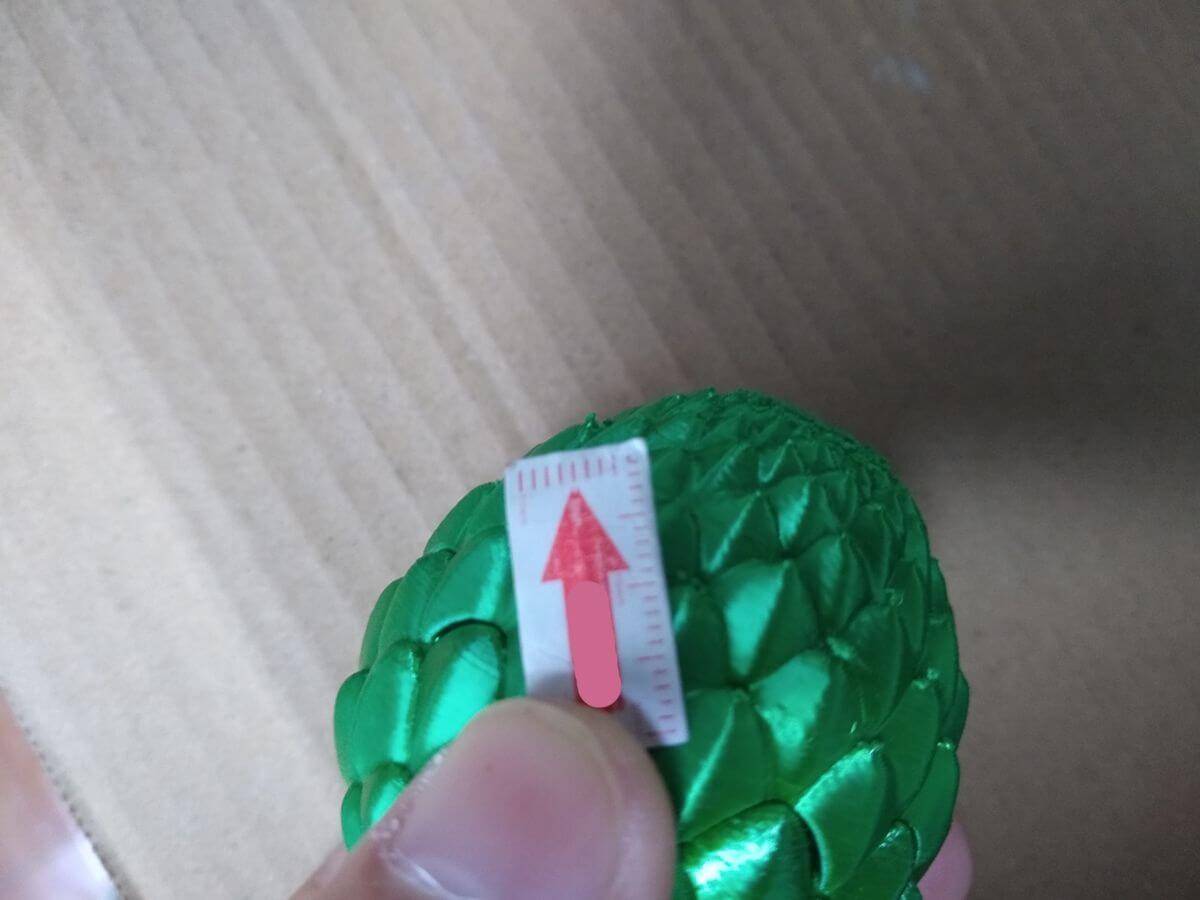
| Defect | Sharp burrs |
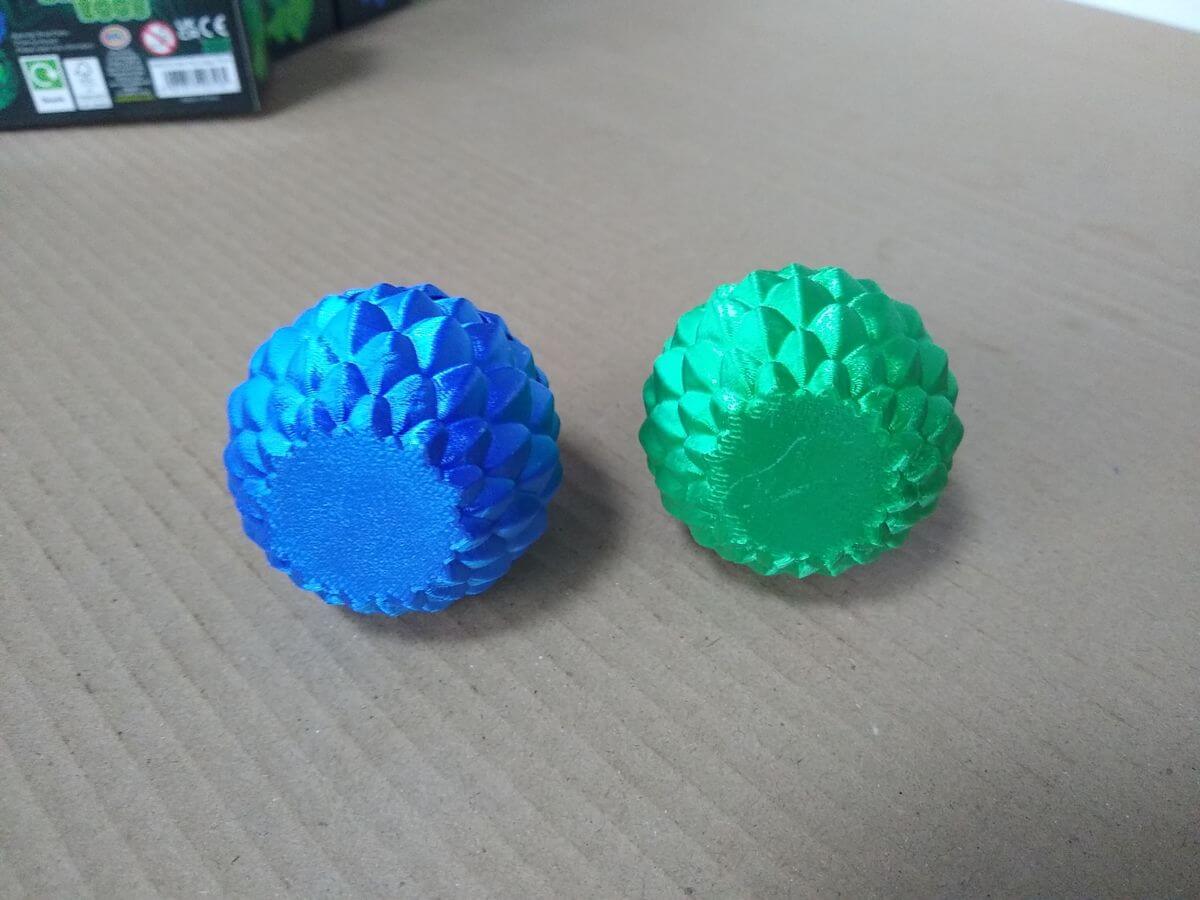
| Root Cause | Incomplete removal of support structures. The support pillars used to stabilize the egg during printing are made of hard material that leaves sharp edges. |
| Corrective Action | Post-processing requires thorough removal and sanding of all support residue. Implement a standardized finishing checklist to ensure all supports are completely removed. |
| Frequency | ⭐⭐⭐⭐☆ |
| Rework Difficulty | ⭐⭐☆☆☆ |
| Rework Collateral Risk | ⭐☆☆☆☆ |
Why Support Residue Is a Common Pain Point in 3D Printing
In 3D printing, support structures are essential for overhanging geometries — they act as scaffolding that stabilizes the product during the printing process. But once printing is complete, these supports must be completely removed. If the post-processing step lacks care, sharp edges and burrs remain at the attachment points. A factory audit can reveal whether your supplier has a documented finishing procedure.
This defect is particularly dangerous because the consumer may not immediately notice it — until their hand gets cut. For toy and home décor categories (like dragon eggs), sharp burrs represent a direct safety hazard that should be caught during quality control.
Why Factories Consistently Underestimate Post-Processing
The factory's rapid pivot from "impossible to have issues" to "unavoidable" reveals a deeper problem in the 3D printing industry: suppliers tend to over-sell the automation advantage of additive manufacturing while deliberately under-playing the labor commitment required in post-processing. For importers managing a global supply chain, this gap can lead to consistent batch-to-batch inconsistency.
- Automation does not equal zero defects: 3D printing ensures geometric precision, but cannot guarantee surface finish quality.
- Post-processing is labor-intensive: Support removal, sanding, and inspection all require human hands — the exact step where factories try to cut costs.
- Consumer safety is the bottom line: One sharp burr can cut a finger, leading to complaints, returns, and even product liability issues.
Inspection Photos
The unedited technical snapshots below document the support residue and sharp burrs observed during inspection:
Rework Effort & Risk Assessment
| Evaluation Metric | Rating | What It Means |
|---|---|---|
| Frequency | ⭐⭐⭐⭐☆ | Very High. Support residue is one of the most common defects in 3D printing, especially on products with complex geometries. |
| Rework Difficulty | ⭐⭐☆☆☆ | Low. Support residue can be resolved through sanding and finishing — if the factory is motivated to do so before shipment. |
| Rework Collateral Risk | ⭐☆☆☆☆ | Low. Sanding does not compromise the product's structural integrity. However, if the factory uses chemical solvents instead of physical sanding, surface finish may be affected. |
💡 QC Insight for Buyers
For procurement professionals and brand owners sourcing 3D printed products:
In 3D printing, "support removal" is often treated as an afterthought, but it's a critical step that determines the final quality of your product. If the supplier relies entirely on automated printing hype without managing the human post-processing link, you can expect inconsistent results — some units will have dangerous sharp burrs, while others won't.
When briefing your supplier, don't just assume the machine does everything. Explicitly request a post-processing quality control step where each unit is physically checked for sharp edges and burrs. This simple addition to their workflow eliminates the risk of customer injuries, complaints, and costly returns. A factory audit can verify whether this inspection step exists in their SOP.
The Truth Behind the Factory's Promise
The factory's pivot from "no way anything could go wrong" to "it's unavoidable" in minutes reveals a fundamental lack of process control. 3D printing automation ensures geometric precision — but the final surface quality and customer experience hinge on post-processing discipline. When a factory says "it's unavoidable" about a completely preventable issue, the problem isn't the technology — it's the process.
Let CNQ Inspection Service Secure Your Shipment
At CNQ, our QC inspectors have deep knowledge of 3D printing manufacturing in China and know exactly where to look — from automation to post-processing — to identify potential defects before they ship. Before your shipment leaves the factory, our inspectors will:
- Conduct thorough visual inspections of each unit to identify support residue and sharp edges through our product inspection services
- Verify surface finish standards against your specifications
- Provide clear, photo-documented reports capturing all findings
- Work with the factory to resolve issues before they impact your brand
Don't let post-processing defects damage your product — and your brand. A simple, one-day inspection can save you from costly returns and customer complaints.
Contact us today to ensure your 3D printed products meet your quality standards before shipment.
Disclaimer: This case study is based on an actual pre-shipment inspection performed by China Quality Service. Product details and factory information have been anonymized to protect client confidentiality. The technical analysis and recommendations provided are for educational purposes only and should not replace professional on-site evaluation tailored to your specific product and supplier requirements.